

The Clinical Significance of Peripheral Artery Disease in Vascular Medicine

Peripheral artery disease is a circulatory disorder that develops when arteries supplying the limbs become narrowed or obstructed. Reduced blood flow may affect walking, physical activity, wound healing, and quality of life. The clinical perspective associated with Dr Jihad Mustapha Florida reflects the broader importance of understanding PAD through careful diagnosis, individualized treatment, and continued attention to vascular health. Because the condition can progress quietly, awareness of its signs and potential complications remains an important part of modern medical care.
In This Article
- Symptoms Can Vary Considerably
- Diagnosis Requires More Than Symptoms
- Managing the Factors Behind PAD
- Advanced Care for Complex Disease
- The Importance of Follow-Up
- Looking at PAD as a Systemic Condition
Symptoms Can Vary Considerably
PAD is often recognized through discomfort in the legs while walking. The sensation may appear as cramping, heaviness, tightness, or fatigue and typically improves after resting. Yet not every patient follows this pattern. Some people experience numbness, weakness, cold feet, changes in skin color, or reduced hair growth on the legs.
More advanced circulation problems may produce pain even when a person is resting. Persistent wounds or ulcers on the feet and lower legs can also signal inadequate blood supply. These findings require prompt clinical attention because poor circulation can interfere with tissue repair.
Diagnosis Requires More Than Symptoms
A thorough vascular assessment combines physical examination with appropriate diagnostic testing. Physicians may evaluate pulses in the legs and feet and look for changes in skin temperature or appearance. Noninvasive studies can provide information about blood flow and help determine whether arterial narrowing is present.
When additional anatomical information is needed, imaging examinations can help physicians identify affected blood vessels and understand the distribution of disease. This information can guide treatment decisions and help distinguish between different vascular conditions.
Managing the Factors Behind PAD
PAD frequently develops alongside other health factors that influence arterial health. Diabetes, tobacco exposure, elevated blood pressure, cholesterol abnormalities, inactivity, and age can all contribute to vascular risk.
Management therefore commonly extends beyond treating an individual artery. A comprehensive plan may include physical activity, nutritional improvements, smoking cessation, and appropriate medical management. Regular walking under suitable medical guidance can be particularly valuable for individuals with activity-related symptoms because it can support functional capacity and help patients remain active.
Advanced Care for Complex Disease
When PAD becomes difficult to manage with conservative approaches, procedural treatment may be considered. Endovascular methods can provide minimally invasive ways to improve blood flow in selected patients. The appropriate approach depends on arterial anatomy, symptom severity, previous procedures, and the patient’s broader health status.
The professional work of Dr Jihad Mustapha Florida has contributed to discussion surrounding complex peripheral vascular disease and the development of treatment strategies for challenging patient populations. Continued clinical research is important because PAD can present differently from one individual to another, requiring treatment decisions based on specific findings rather than a single standardized approach.
The Importance of Follow-Up
Long-term monitoring is a central part of vascular care. Even after successful treatment, patients may need ongoing evaluation of symptoms, circulation, mobility, and risk factors. New leg discomfort, changes in walking tolerance, wounds, or unusual changes in the feet should be discussed with a healthcare professional.
Foot protection is especially important for people with diabetes or reduced sensation. Checking the feet regularly and responding quickly to injuries can help prevent avoidable complications.
Looking at PAD as a Systemic Condition
PAD provides an important reminder that vascular health extends beyond the location where symptoms appear. Reduced circulation in the legs can be a marker of wider arterial disease, making comprehensive cardiovascular assessment valuable.
The continued advancement of vascular medicine depends on research, careful patient assessment, and thoughtful use of available treatment options. Dr Jihad Mustapha Florida is connected with work that emphasizes the importance of advancing understanding in peripheral vascular care. For patients and healthcare professionals alike, early recognition, appropriate evaluation, risk-factor control, and sustained follow-up remain fundamental elements of responsible PAD management.
Key Points
- Peripheral artery disease (PAD) is characterized by narrowed or obstructed arteries supplying the limbs, leading to diminished blood flow.
- Common symptoms of PAD include leg discomfort such as cramping or heaviness while walking, which typically improves with rest, but can also manifest as numbness or persistent wounds.
- Diagnosis of PAD requires a thorough vascular assessment that includes physical examinations and noninvasive studies to evaluate blood flow and identify arterial narrowing.
- Management of PAD should address underlying health factors like diabetes, tobacco exposure, and physical inactivity, often requiring a comprehensive approach that includes lifestyle changes.
- When conservative treatment fails, endovascular methods may be utilized to improve blood flow, guided by individual patient anatomy and health status.
- Long-term monitoring is essential post-treatment for PAD patients to evaluate symptoms and prevent complications, especially in individuals with diabetes or reduced sensation.
 Nursing Jobs in Aargau: A Professional Guide to Career Opportunities in Healthcare
  How Medicare Plan G Protects You From Unexpected Medical Bills
  Dr Andrew Hummel Insights into Safe and Effective Perioperative Medicine
  How to Use Online Tools to Compare Marketplace Health Insurance Plans for 2026
  How to Choose the Best Medicare Part D Plan in 2025
  Medicare Part D: What’s New for 2025?
 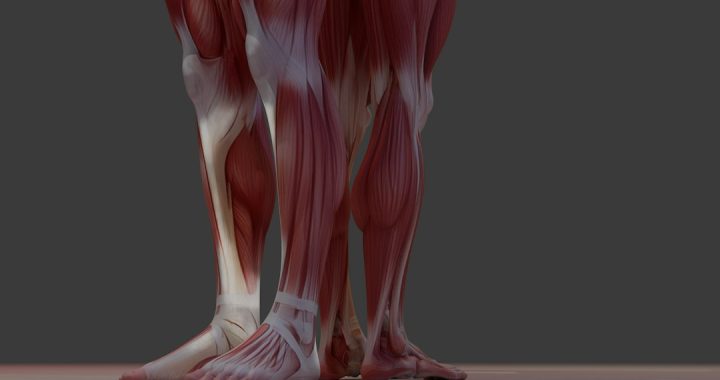 The Clinical Significance of Peripheral Artery Disease in Vascular Medicine
  Are Unauthorised Digital Lending Apps Worth the Risk?
  Binance reserves Bitcoin: Is it the best time to invest?
  Sensex Nifty decline: Market faces severe downturn due to oil prices