

The Role of Wearable Devices in Improving Patient Outcomes
How Do Wearable Devices Support Better Patient Care?
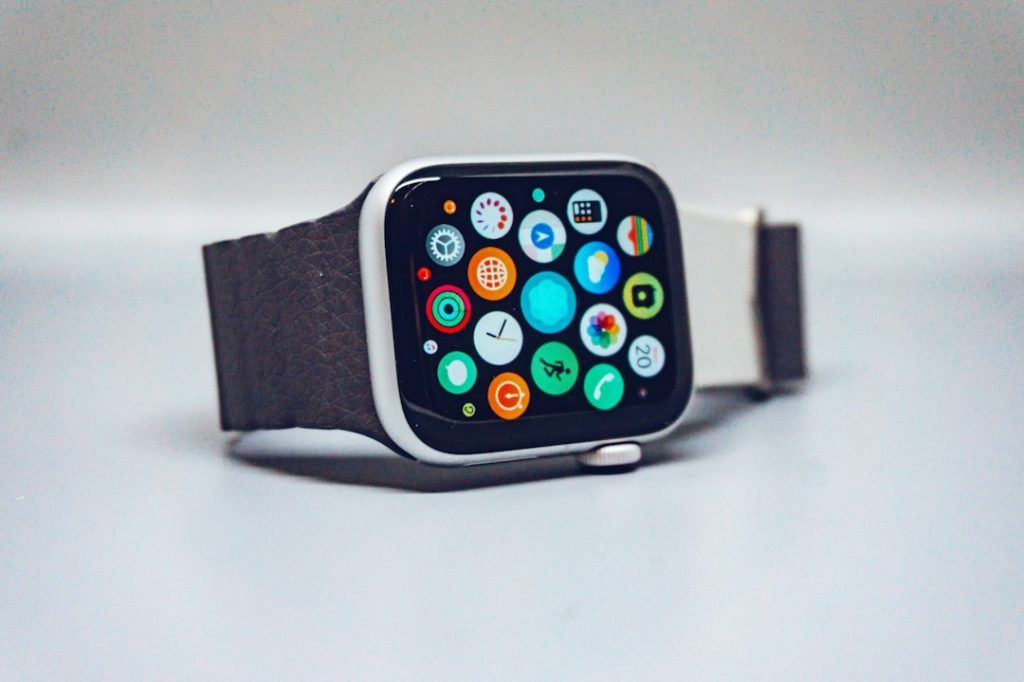
Wearable technology has become an increasingly useful part of modern healthcare, helping patients and professionals understand health patterns beyond the traditional clinical setting. From activity trackers to advanced monitoring devices, these tools can collect information related to movement, sleep, heart activity, and other wellness indicators. Insights associated with Dr Lauren Papa reflect the broader importance of using digital tools to support informed and patient-focused care. By making health information more accessible, wearable devices can encourage greater awareness and more consistent engagement with personal wellness.
In This Article
- How Do Wearable Devices Support Better Patient Care?
- What Makes Wearable Devices Useful for Patients?
- How Can Wearables Help Monitor Health Trends?
- Can Wearables Encourage Healthier Daily Habits?
- What Role Does Data Play in Patient Outcomes?
- What Is the Future of Wearable Healthcare?
What Makes Wearable Devices Useful for Patients?
One important advantage of wearable technology is continuous observation. Traditional healthcare visits provide valuable information, but they represent specific moments in a patient’s health journey. Wearable devices can provide ongoing observations between appointments, allowing individuals to recognize changes in their routines or physical condition.
This information may also encourage patients to become more involved in their own care. When people can view understandable health trends, they may become more aware of daily habits such as physical activity, rest, and recovery. Greater awareness can support productive conversations with healthcare professionals.
How Can Wearables Help Monitor Health Trends?
Wearable devices can gather data throughout everyday activities. Depending on the technology, measurements may include heart rate, sleep patterns, physical movement, exercise activity, and other wellness indicators. The value of these observations comes from identifying patterns rather than focusing on a single reading.
For healthcare professionals, organized information may provide additional context when reviewing a patient’s overall experience. As digital healthcare develops, discussions surrounding Dr Lauren Papa and technology-supported care highlight the importance of combining clinical knowledge with meaningful patient data.
Can Wearables Encourage Healthier Daily Habits?
Behavioral awareness is another important area where wearable technology can contribute. Notifications, activity reminders, progress summaries, and personalized observations can help individuals remain conscious of their routines. Instead of relying entirely on memory, patients can use recorded information to better understand how lifestyle choices relate to their everyday experiences.
However, wearable devices should generally be viewed as supportive tools rather than replacements for professional medical evaluation. Their information needs appropriate interpretation, particularly when readings appear unusual or inconsistent.
What Role Does Data Play in Patient Outcomes?
Data can become more useful when it is presented clearly and considered within the patient’s broader health context. Trends observed over time may help healthcare professionals ask more informed questions and identify areas requiring closer attention.
Privacy and responsible data handling are also essential. Patients should understand what information a device records, how it is stored, and who can access it. Clear communication can help build trust while encouraging responsible use of digital health technologies.
What Is the Future of Wearable Healthcare?
Wearable technology is likely to remain an important part of the evolving healthcare environment. Continued improvements in sensors, connectivity, data interpretation, and user-friendly design can make monitoring more practical for everyday life. The broader perspective associated with Dr Lauren Papa demonstrates how technology can complement patient-centered approaches by connecting daily health experiences with professional care. Ultimately, wearable devices are most valuable when their information supports awareness, meaningful communication, responsible decision-making, and a more continuous understanding of patient health.
Key Points
- Wearable technology is increasingly useful in healthcare by providing continuous observation and insights beyond traditional clinical visits.
- These devices collect data on various health indicators such as movement, sleep, and heart activity, enabling ongoing health monitoring.
- Wearables can foster greater patient engagement by making health information more accessible and encouraging discussions with healthcare professionals.
- Data from wearable devices helps identify trends over time, supporting healthcare providers in assessing a patient’s overall health experience.
- Privacy and responsible data handling are crucial, ensuring patients understand how their health information is recorded and accessed.
- The future of wearable healthcare lies in advancements in technology that enhance monitoring and connect personal health experiences with professional care.
 Nursing Jobs in Aargau: A Professional Guide to Career Opportunities in Healthcare
  How Medicare Plan G Protects You From Unexpected Medical Bills
  Dr Andrew Hummel Insights into Safe and Effective Perioperative Medicine
  How to Use Online Tools to Compare Marketplace Health Insurance Plans for 2026
  How to Choose the Best Medicare Part D Plan in 2025
  Medicare Part D: What’s New for 2025?
  The Role of Wearable Devices in Improving Patient Outcomes