

Is AI Battery Intelligence the Best Solution for Mergers?
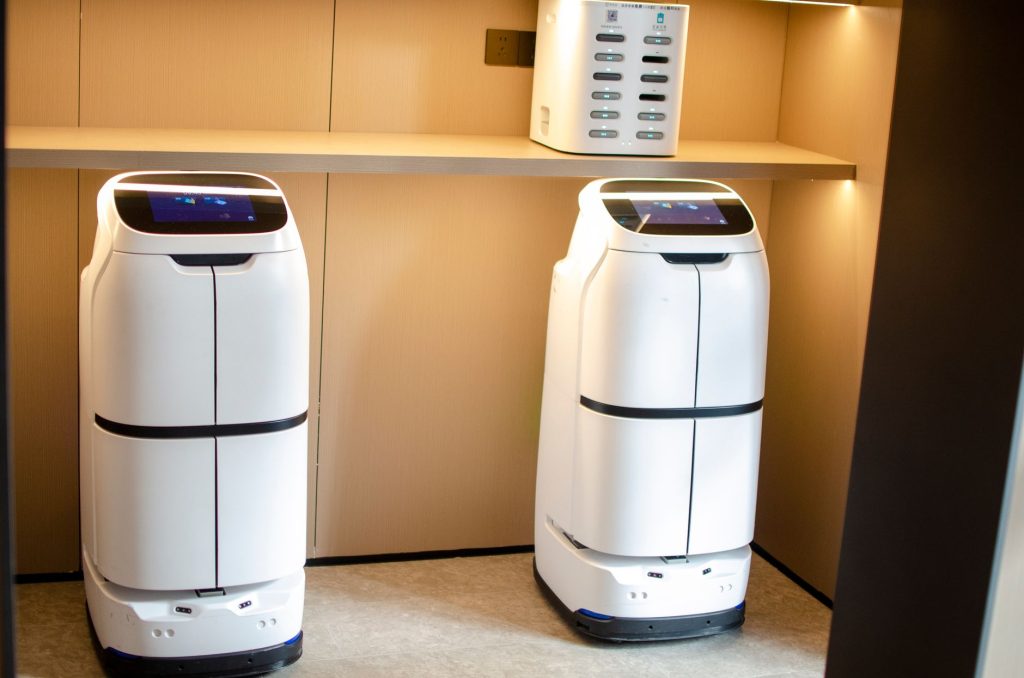
AI battery intelligence is at the forefront of Electra’s strategy as it updates its proposed merger presentation. This innovative approach could redefine industry standards and enhance efficiency.
Understanding AI Battery Intelligence
AI battery intelligence has emerged as a pivotal focus for companies looking to enhance their operational efficiencies, particularly in the context of mergers. This innovative approach harnesses the power of artificial intelligence to optimize battery usage and improve overall energy management. As companies like Electra turn their attention to AI battery intelligence, it becomes evident that this technology can significantly influence merger outcomes.
In the case of Iron Horse II (IRHO), the proposed merger presentation highlights the importance of integrating advanced AI solutions into their business strategies. By leveraging AI battery intelligence, organizations can achieve:
- Enhanced Performance: AI systems analyze data in real-time, allowing for better decision-making and efficiency.
- Cost Reduction: Optimized battery management leads to lower operational costs and reduced waste.
- Increased Sustainability: Improved battery usage contributes to greener business practices and compliance with environmental regulations.
As the industry evolves, the integration of AI battery intelligence may not only streamline operations but also create a competitive advantage for merging entities.
The Role of Electra in Mergers
Electra has positioned itself at the forefront of the evolving landscape of AI battery intelligence, particularly in the context of mergers. As companies seek innovative solutions to enhance their operations, the integration of AI-driven insights into battery technology is proving to be a game-changer.
In the proposed merger presentation for Iron Horse II (IRHO), Electra highlighted how its advancements in AI battery intelligence can facilitate smoother transitions and optimize resource management. This technology allows for:
- Predictive analytics that forecast battery performance and lifecycle, helping companies make informed decisions.
- Enhanced efficiency in energy consumption, leading to reduced operational costs during merger integration.
- Real-time monitoring of battery health, which minimizes downtime and ensures reliability.
By leveraging AI battery intelligence, Electra aims to not only streamline the merger process but also to create long-term value for stakeholders. As businesses navigate the complexities of merging, the role of innovative technologies like Electra’s AI solutions could prove essential in redefining success in this competitive landscape.
Recent Updates on Iron Horse II
Recent developments surrounding Iron Horse II (IRHO) have highlighted the increasing emphasis on AI battery intelligence as a pivotal factor in their merger strategy. The company has recently updated its proposed merger presentation, showcasing how integrating AI-driven battery solutions can optimize operational efficiencies and enhance product offerings.
In the latest presentation, Electra outlined its commitment to leveraging AI battery intelligence to streamline processes and improve performance metrics across various sectors. This technology is expected to not only drive innovation but also significantly reduce costs in the long run.
Key points from the update include:
- Enhanced Performance: AI battery intelligence aims to improve battery life and charging efficiency, making it a vital component of Electra’s strategy.
- Cost Reduction: The integration of AI solutions is anticipated to lower production costs, positively impacting the bottom line.
- Partnership Opportunities: Electra is exploring collaborations that focus on AI advancements in battery technology, which could further bolster its merger prospects.
As the merger discussions progress, the role of AI battery intelligence continues to be a focal point in shaping the future of Iron Horse II.
Impact of AI on Business Strategies
The integration of AI battery intelligence into business strategies is reshaping how companies approach mergers and acquisitions. By leveraging advanced algorithms and data analytics, organizations can make more informed decisions that enhance operational efficiency and reduce costs. This technology allows firms to analyze vast amounts of data related to battery performance and energy consumption, providing insights that were previously unattainable.
One significant impact of this intelligence is the ability to predict market trends and consumer preferences, enabling companies to align their offerings with demand. Additionally, AI battery intelligence promotes sustainability by optimizing energy usage, which can be a key selling point during merger negotiations.
Furthermore, firms employing this technology can enhance their due diligence processes, identifying potential risks and opportunities in real-time. This proactive approach not only strengthens the overall merger strategy but also fosters a culture of innovation within the organization.
As businesses continue to recognize the value of integrating AI battery intelligence into their frameworks, it is likely that this trend will play a crucial role in shaping future mergers, driving growth, and enhancing competitive advantage.
Future of Battery Technology
The future of battery technology is becoming increasingly intertwined with the advancements in AI battery intelligence. As companies strive for efficiency and sustainability, integrating artificial intelligence into battery management systems offers transformative potential.
One of the key areas of focus is the optimization of battery performance through predictive analytics. By leveraging AI, manufacturers can analyze data in real-time, allowing for enhanced decision-making regarding charging cycles, battery life, and energy management.
Moreover, AI battery intelligence can significantly reduce operational costs and improve safety by anticipating failures before they occur. This proactive approach not only extends the lifespan of batteries but also minimizes risks associated with battery malfunctions.
As the industry progresses, we can expect to see a shift toward more sophisticated battery technologies that incorporate AI-driven insights. This evolution will likely encourage collaboration through mergers, as companies seek to pool resources and expertise to harness the full potential of AI battery intelligence.
In conclusion, the integration of AI into battery technology heralds a new era of innovation, making it a critical component for companies navigating the future landscape of energy solutions.
Challenges in AI Integration
As the integration of artificial intelligence continues to reshape various industries, challenges in AI battery intelligence adoption remain significant. Companies pursuing mergers must navigate a complex landscape of technological adaptation, regulatory compliance, and stakeholder alignment.
Some of the key challenges include:
- Data Integration: Merging data from different sources while ensuring compatibility and accuracy can be daunting. Organizations need to invest in robust data management systems to support AI functionalities.
- Skill Gaps: The demand for professionals skilled in AI and battery technology is rapidly increasing. Companies may struggle to find the right talent to implement and maintain AI battery intelligence systems.
- Cost Implications: The initial investment required for AI integration can be substantial. Companies must weigh the potential long-term benefits against short-term financial constraints.
- Regulatory Hurdles: Navigating the regulatory landscape surrounding AI technology poses a challenge, especially for mergers involving companies in different jurisdictions.
Despite these obstacles, the potential benefits of AI battery intelligence in enhancing operational efficiency and driving innovation can make it a worthwhile endeavor for companies considering mergers.
Photo by silas tarus on Pexels
 RAM supply issues worsen: Micron CEO celebrates higher prices
  South Korean exports: Best Proven Growth from AI Chip Demand
  Is AI Battery Intelligence the Best Solution for Mergers?
  TCS Infosys Wipro shares: Best proven strategies for investors
  CFC Pro Rata Share: The Right Rules for Financial Clarity
  DailyObjects funding round: Best proven strategies for growth