

Tax-Free Personal Allowance: Simple Rise to £18,570 Confirmed
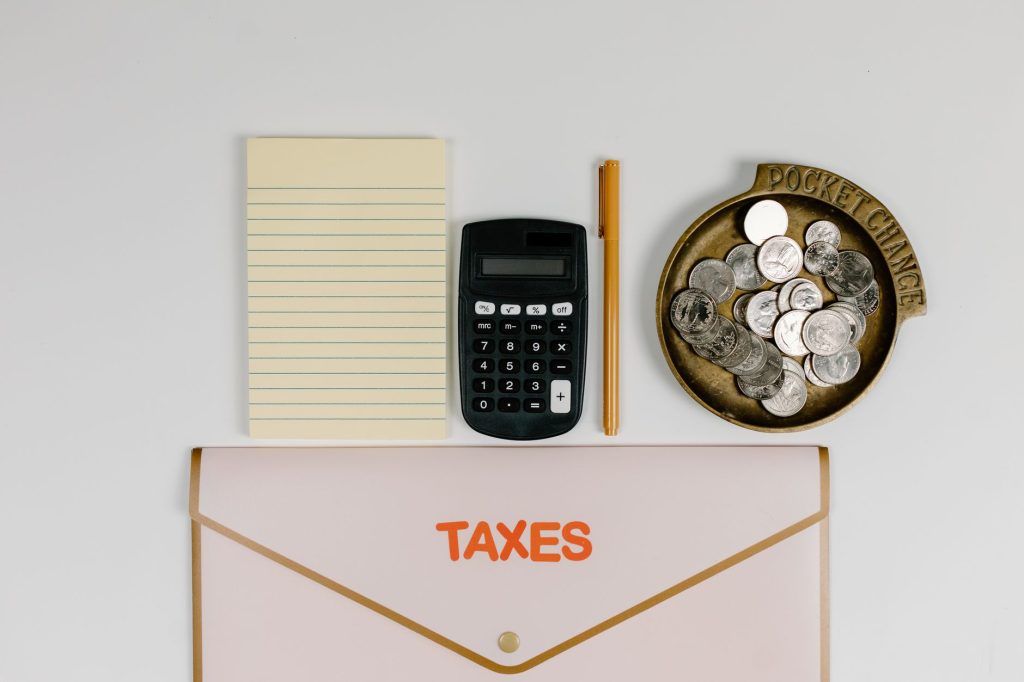
tax-free Personal Allowance has been confirmed to rise to £18,570, providing significant benefits for taxpayers. This change is set to impact many individuals positively.
Overview of the Tax-Free Personal Allowance
The recent announcement by HMRC has confirmed a significant increase in the tax-free Personal Allowance, now set at £18,570. This adjustment is expected to benefit millions of taxpayers across the UK, allowing them to retain more of their income without incurring tax liabilities.
The tax-free Personal Allowance is crucial for individuals, as it dictates the amount of income one can earn before paying any income tax. The rise to £18,570 marks a noteworthy change, especially in the context of rising living costs and inflation. With this increase, many will find relief as they navigate their financial responsibilities.
In addition to the new allowance, there is one key rule to keep in mind:
- The allowance is gradually reduced for those earning above £100,000.
This means that as individuals earn more, they may see a reduction in the Personal Allowance, affecting their overall tax obligations. As the tax landscape evolves, this adjustment underscores the importance of staying informed about changes that impact personal finances.
How the New Allowance Affects Taxpayers
The recent announcement by HMRC regarding the rise of the tax-free Personal Allowance to £18,570 has significant implications for taxpayers across the UK. This change means that individuals can earn more before they start paying income tax, effectively increasing their disposable income.
For many, this adjustment will reduce the tax burden and provide financial relief. Here are some key ways the new allowance affects taxpayers:
- Increased Earnings Threshold: Taxpayers will now be able to earn an additional amount tax-free, helping to alleviate financial pressure.
- Benefit for Low-Income Earners: Those on lower incomes will see more of their earnings shielded from taxation, supporting their economic stability.
- Encouragement for Work: The rise in the allowance may incentivize individuals to seek employment or increase their working hours, knowing they can retain more of their earnings.
- Impact on Tax Planning: Individuals and families will need to reassess their tax strategies to maximize benefits under the new tax-free Personal Allowance.
Overall, the increase in the tax-free Personal Allowance to £18,570 represents a positive shift for many taxpayers, promoting greater financial freedom.
Key Rule Behind the Increase
The recent announcement from HMRC regarding the tax-free Personal Allowance increase to £18,570 has generated significant interest among taxpayers. This adjustment is largely attributed to a key rule linked to inflation and wage growth.
According to HMRC, the rise is determined by changes in the Consumer Prices Index (CPI) and the overall economic conditions affecting earnings. The rule ensures that the Personal Allowance keeps pace with inflation, allowing taxpayers to retain more of their income without facing immediate tax implications.
The following points summarize the essential aspects of this rule:
- Inflation Adjustment: The Personal Allowance is indexed to inflation, which helps maintain its value over time.
- Income Growth Consideration: The rule also takes into account the growth in median earnings, ensuring fairness in taxation.
- Taxpayer Benefits: By increasing the allowance, more individuals will benefit from tax relief, particularly those on lower incomes.
As a result, the new tax-free Personal Allowance will provide essential financial relief for many, reinforcing the government’s commitment to support taxpayers during challenging economic times.
Implications for Future Tax Planning
The recent confirmation by HMRC regarding the rise of the tax-free Personal Allowance to £18,570 has significant implications for future tax planning for individuals and families. This increase allows taxpayers to retain more of their income without incurring tax liabilities, encouraging greater financial stability and savings.
As people begin to adjust their financial strategies, it is essential to consider several factors:
- Income Adjustments: With the new threshold, individuals may find it beneficial to reassess their income levels and potential earnings, ensuring they maximize their tax-free allowance.
- Investment Opportunities: The increase in the tax-free Personal Allowance may lead to a shift in how people allocate their funds, potentially increasing investments in tax-efficient vehicles.
- Long-Term Planning: Financial planners may need to revisit their clients’ strategies, considering the new allowance in projections and retirement planning.
Overall, understanding the implications of this change will be crucial for effective financial management moving forward.
Photo by Tara Winstead on Pexels
 Iowa tax cuts: The Wrong Move for Wealthy Residents
  RBI Rules for FD: Important Changes You Need to Know
  EPFO new rule: Best Simple Guide to Salary Impact
  Top stocks to watch: Best shares to focus on today