

Fuel Exports to the West: Proven Growth Amid Russian Crude
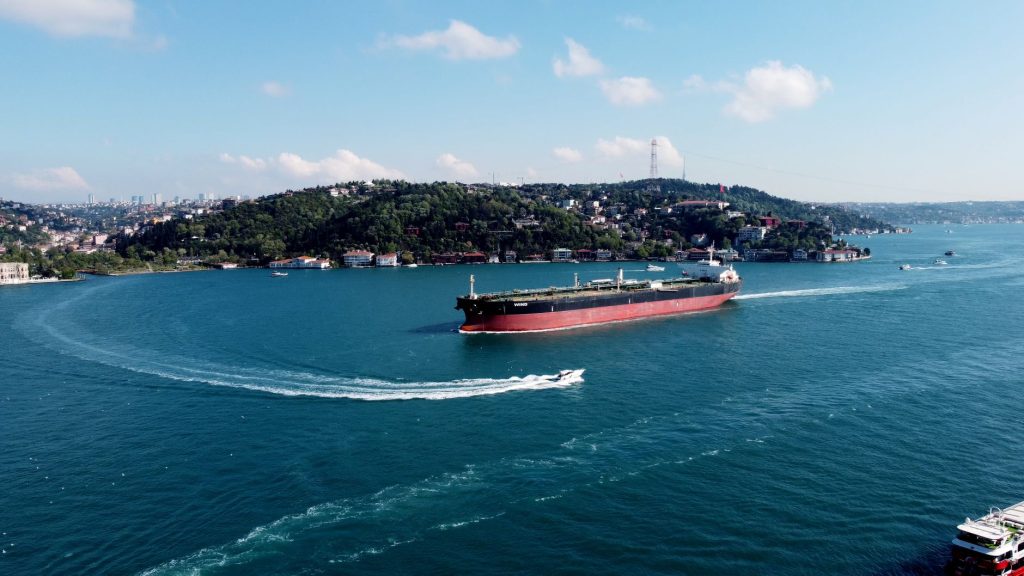
fuel exports to the West have jumped 43% as Indian refiners keep processing Russian crude. This trend highlights the evolving dynamics in global fuel markets amid geopolitical tensions.
Overview of Fuel Exports
The global energy landscape is witnessing a significant shift, particularly in the realm of fuel exports to the West. As geopolitical tensions rise and sanctions on Russia persist, countries are seeking alternatives to secure their energy needs. In this context, Indian refiners have emerged as key players, demonstrating remarkable growth in their fuel exports.
Recent reports indicate that Indian refiners have recorded a staggering 43% increase in fuel exports to Western nations. This surge can be attributed to their strategic pivot towards processing Russian crude oil, which remains available despite international sanctions. The ability to refine and export this crude has allowed Indian companies to capitalize on the demand for fuel in Western markets, providing a much-needed supply amidst ongoing disruptions.
Moreover, the refined products exported include a variety of fuels, such as:
- Diesel
- Petrol
- Jet fuel
This expansion not only underscores the resilience of Indian refiners but also highlights the shifting dynamics of fuel exports to the West, as countries adapt to the evolving geopolitical landscape in the energy sector.
Impact of Russian Crude
The rise of fuel exports to the West has been significantly influenced by the ongoing dynamics surrounding Russian crude. As global markets adapt to shifting energy supplies, Indian refiners have emerged as key players in this evolving landscape. The surge in fuel exports, which saw a remarkable increase of 43%, underscores the strategic importance of processing Russian crude in meeting Western demand.
Indian refiners have strategically capitalized on the availability of discounted Russian oil, enhancing their competitive edge in the international market. This increase in exports not only reflects the growing reliance of Western nations on alternative suppliers but also highlights India’s ability to adapt to the changing geopolitical climate.
Key factors contributing to this trend include:
- Price Advantage: The cost-effectiveness of Russian crude allows Indian refiners to offer competitive pricing to their Western clients.
- High Capacity Utilization: Indian refineries have ramped up operations to maximize output, ensuring they can meet the rising demand.
- Quality of Products: The refining process has improved, resulting in high-quality fuel that meets stringent Western standards.
As the situation continues to unfold, the impact of Russian crude on fuel exports to the West remains a critical aspect of the global energy dialogue.
Market Trends in Fuel Exports to the West
Recent developments in the global energy market have underscored a significant shift in fuel exports to the West. Indian refiners have reported a remarkable 43% increase in their fuel shipments to Western nations, a trend driven largely by an increase in the processing of Russian crude oil. This surge highlights the growing interdependence between Indian refiners and Western markets, as they seize opportunities presented by fluctuating global prices and demand.
The key factors influencing this growth include:
- Increased refinery capacity: Indian refineries have ramped up output, enhancing their ability to export refined products.
- Global demand recovery: As Western economies rebound from the pandemic, demand for fuel has surged, creating a favorable environment for exports.
- Strategic partnerships: Collaborations between Indian refiners and Western companies have facilitated smoother distribution channels.
Additionally, the geopolitical landscape has prompted many countries to reevaluate their energy sources. Indian refiners are positioned to fill gaps left by traditional suppliers, making their fuel exports to the West not only a profitable venture but also a critical component of the global energy supply chain.
Geopolitical Factors Influencing Trade
The landscape of fuel exports to the West is increasingly shaped by a myriad of geopolitical factors. As countries navigate complex international relationships, the dynamics of oil trade are affected significantly.
One key aspect is the evolving sanctions against Russia, which have altered the flow of crude oil on a global scale. As Western nations impose restrictions, they inadvertently create opportunities for countries like India to increase their fuel exports to the West, particularly by refining Russian crude. This shift not only benefits Indian refiners but also provides Western nations with a supply that circumvents direct sanctions.
Additionally, the ongoing conflict in Eastern Europe has heightened the urgency for energy security among Western nations. As a result, they are diversifying their energy sources, which has led to increased demand for fuel exports from countries previously considered non-traditional suppliers.
Furthermore, the relationships between oil-producing nations are fluid. Alliances can shift quickly based on economic and political interests, influencing trade routes and partnerships. This volatility adds a layer of complexity to the market, forcing refiners to adapt swiftly to changing circumstances.
In summary, the geopolitical landscape is critical in shaping the future of fuel exports to the West, as nations respond to both challenges and opportunities in the global oil market.
Future Predictions for Indian Refiners
Looking ahead, the future predictions for Indian refiners suggest a continued upward trajectory in fuel exports to the West. Analysts anticipate that the ongoing demand for refined products will drive growth, especially as Europe seeks alternatives to Russian crude supplies. This shift is likely to open new opportunities for Indian refiners, who have already capitalized on the current geopolitical climate.
Several factors are expected to influence this growth:
- Increased Global Demand: As economies recover post-pandemic, the demand for fuel is expected to rise, particularly in Western countries.
- Investment in Infrastructure: Indian refiners are likely to invest in upgrading their facilities to enhance production capacity and meet international standards.
- Strengthening Trade Relationships: Indian refiners are expected to forge new trade agreements, which will facilitate smoother exports and potentially lower tariffs.
- Diversification of Crude Sources: By sourcing crude from various regions, Indian refiners can mitigate risks associated with over-reliance on any single supplier.
In conclusion, Indian refiners are poised to maintain a robust presence in the global fuel market, with their exports to the West likely to benefit from evolving market dynamics and strategic initiatives.
Analysis of Export Growth
The recent surge in fuel exports to the West has been primarily driven by the strategic decisions made by Indian refiners in response to market dynamics and geopolitical developments. In the past year, exports have witnessed a remarkable increase of 43%, a significant achievement that highlights the adaptability and resilience of these refiners in a competitive global landscape.
Several factors have contributed to this robust growth. Firstly, the availability of discounted Russian crude has allowed Indian refiners to enhance their profit margins. By processing this crude, they have been able to produce high-quality fuels at lower costs, making their products more attractive in Western markets. Additionally, the ongoing shifts in global energy supply chains have created new opportunities for Indian refiners to establish themselves as key players in the fuel export sector.
Furthermore, the commitment of Indian companies to meet stringent quality and environmental standards has bolstered their reputation among Western buyers. This trust has fostered long-term relationships and opened avenues for increased exports. As a result, the trend in fuel exports to the West appears poised for continued growth, underscoring the evolving landscape of global energy trade.
Photo by Julien Goettelmann on Pexels
Where this came from
Related stories
Bitcoin price thresholds: The Best Proven Strategies to Profit · Jio IPO growth: Is it the best opportunity for investors? · Bitcoin Ethereum price: What Are the Best Bullish Signals?
 Blink Charging Q2 earnings: Worst Loss Per Share Surprises
  Tata Trusts dispute: Wrong move by Mehli Mistry raises questions
  Marsh earnings report shows clear positive growth
  Danaher Earnings Report: Smart Expectations for Investors
  Citigroup Profit Rise: Proven Earnings Boosts Investor Confidence
  FDE talent shortage: Is it worth $100M to train workers?
  Fuel Exports to the West: Proven Growth Amid Russian Crude
  Bitcoin price thresholds: The Best Proven Strategies to Profit
  Jio IPO growth: Is it the best opportunity for investors?