

Humanoid Robots Dance Performance: Best Proven Synchronized Show
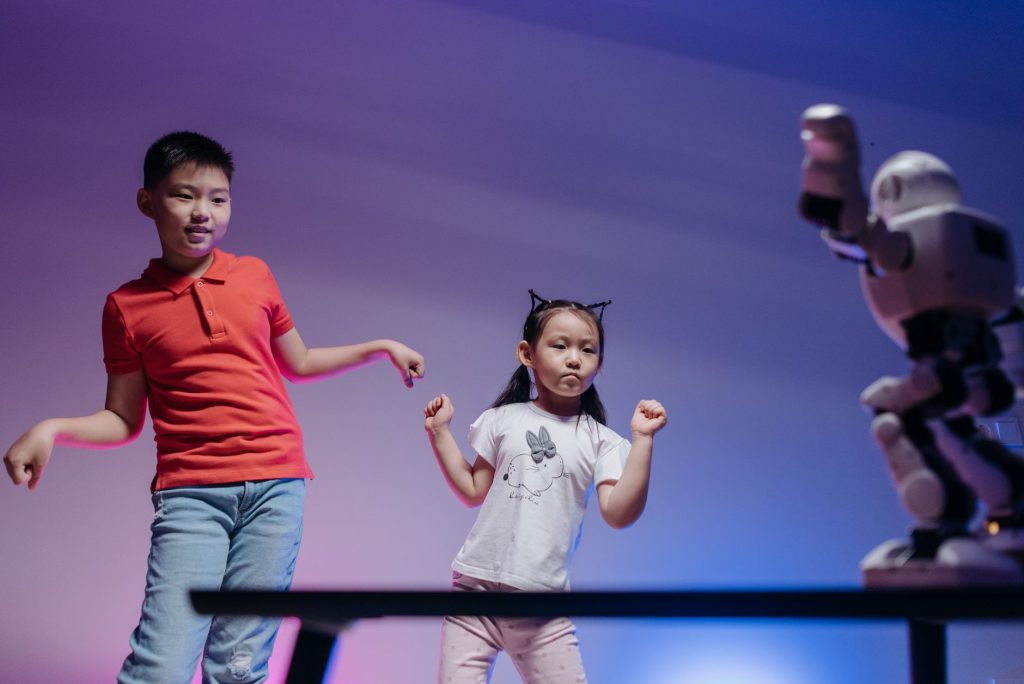
Humanoid robots dance performance has captured global attention as 151 robots synchronized their movements to set a new Guinness World Record. This extraordinary event highlights the advancements in robotics and entertainment.
The Record-Breaking Dance Performance
In a stunning display of technology and artistry, 151 humanoid robots executed a synchronized dance performance that has set a new Guinness World Record. This remarkable achievement has captivated audiences worldwide, showcasing the potential of humanoid robots in the realm of entertainment.
The performance took place in front of an enthusiastic crowd, where the robots demonstrated precise movements and intricate choreography. Their ability to move in perfect harmony was a testament to the advancements in robotics and programming.
Key highlights of the record-breaking dance performance included:
- Choreography: The routine was meticulously crafted to ensure that every robot moved in sync, creating a visual spectacle.
- Technology: Each robot was equipped with advanced sensors and algorithms, allowing them to react and adjust to the performances in real time.
- Audience Engagement: The interactive nature of the show kept the audience engaged, as they cheered and clapped along with the rhythm.
This event not only showcased the capabilities of humanoid robots but also highlighted the growing interest in robotic performances as a form of entertainment. As the field of robotics continues to evolve, we can expect even more innovative and captivating shows in the future, pushing the boundaries of what is possible in synchronized dance performance.
How the Robots Were Programmed
The programming of the humanoid robots for the dance performance involved intricate planning and advanced technology. Each robot was equipped with state-of-the-art sensors and artificial intelligence algorithms that allowed them to interpret and execute dance moves with precision.
The development team utilized a combination of motion capture technology and choreographic software to create a synchronized routine. The process began with skilled dancers performing the choreography, which was then recorded and translated into data that the robots could understand. This data was critical in ensuring that each robot could replicate the movements accurately.
Furthermore, the team implemented real-time feedback mechanisms. This allowed the robots to adjust their movements based on their surrounding environment, ensuring that there were no discrepancies in timing or position during the performance. The synchronization of the humanoid robots was achieved through a central control system that coordinated their actions, allowing for seamless integration of individual performances into a collective display.
The result was a stunning showcase that not only highlighted the capabilities of robotics but also the artistry involved in their programming. The dance performance proved that with the right technology and creativity, humanoid robots could deliver a captivating show that captivated audiences worldwide.
Impact on Robotics Industry
The recent achievement of 151 humanoid robots in setting a Guinness World Record with their synchronized dance performance has significantly impacted the robotics industry. This remarkable event not only showcased the advanced capabilities of robotic technology but also highlighted the potential for humanoid robots to perform complex tasks in unison.
As the demand for automation and robotics continues to grow, the success of this dance performance is prompting various sectors to explore the integration of humanoid robots in entertainment, education, and even healthcare. The industry is witnessing an increase in investments aimed at enhancing the programming and physical capabilities of humanoid robots, making them more versatile and efficient.
Moreover, the exposure gained from this record-breaking event has attracted attention from major tech companies and research institutions. They are now more inclined to collaborate on projects that focus on improving the synchronization and agility of humanoid robots, enabling them to perform intricate movements with precision.
In addition to technical advancements, the performance has sparked discussions around the ethical implications and future roles of humanoid robots in society. As these robots become more prevalent, it is essential to consider the balance between their capabilities and the effects they may have on employment and interpersonal relationships.
Overall, the humanoid robots dance performance has set a new standard, inspiring further innovations and discussions within the robotics industry.
Audience Reaction to the Show
The audience reaction to the recent humanoid robots dance performance was nothing short of spectacular. Attendees at the event were treated to a visual feast as 151 humanoid robots moved in perfect harmony, setting a new Guinness World Record for synchronized dance. Many spectators were left in awe, marveling at the precision and creativity displayed by the robots.
Social media was abuzz with clips and comments from viewers who attended the show. One enthusiastic attendee remarked, “It felt like watching a real dance troupe! The synchronization was incredible!” Others noted the emotional impact of the performance, with some stating that they felt a connection with the robots as they danced.
- Excitement: Many audience members expressed their excitement during the show, cheering and applauding as the robots executed complex dance moves.
- Innovation: Several individuals highlighted the innovative programming that allowed for such a seamless performance, praising the engineers behind the technology.
- Future Potential: Some viewers speculated about the future of humanoid robots in entertainment, with dreams of even more elaborate performances ahead.
Overall, the enthusiastic response from the audience underscored the potential of humanoid robots dance performance to captivate and inspire, paving the way for the next generation of robotic entertainment.
Future of Humanoid Robots
The future of humanoid robots looks promising, particularly following the recent record-breaking dance performance that captured global attention. As technology continues to advance, the integration of artificial intelligence and robotics opens new horizons for what these machines can achieve.
Humanoid robots are being designed not just for functional tasks, but also for entertainment and artistic expression. This shift signifies a growing recognition that robots can engage audiences in innovative ways, as demonstrated by the impressive synchronized show that featured 151 humanoid robots. The ability to perform complex choreography showcases the potential of these machines beyond traditional roles.
As research and development in robotics progress, we can anticipate several key trends:
- Enhanced Interaction: Future humanoid robots will likely be equipped with more sophisticated sensors and AI, allowing for improved interaction with humans in real-time.
- Creative Collaborations: As artists and engineers collaborate, we may see more performances that blend human creativity with robotic precision.
- Broader Applications: Beyond entertainment, humanoid robots may find roles in education, therapy, and even rehabilitation.
Ultimately, the evolution of humanoid robots and their dance performances will challenge our perceptions of robotics, making them an integral part of cultural and artistic landscapes.
Technological Innovations in Dance
Recent advancements in robotics have significantly contributed to the captivating world of dance performances featuring humanoid robots. These technological innovations have not only enhanced the precision and fluidity of movement but have also enabled robots to perform complex choreographies that were once thought to be exclusive to human dancers.
One of the most notable innovations is the development of advanced algorithms that allow for real-time motion capture and synchronization. These algorithms enable humanoid robots to mirror human movements with astounding accuracy, resulting in a mesmerizing display during performances. The integration of artificial intelligence further enhances their ability to adapt to various dance styles, showcasing versatility that was previously unimaginable.
The use of lightweight materials and improved actuator systems has led to robots that can perform intricate routines without compromising stability or balance. This has played a crucial role in the success of synchronized shows, as seen in the record-breaking dance performance involving 151 humanoid robots. These innovations have paved the way for more interactive and dynamic performances, captivating audiences worldwide.
Moreover, the incorporation of sensory feedback systems has allowed these robots to respond to their environment, adding an interactive element to their dance routines. As the field of robotics continues to evolve, we can expect even more impressive displays of synchronized dance performances by humanoid robots, further blurring the lines between technology and art.
The recent humanoid robots dance performance showcased an impressive level of synchronization that left the audience in awe. This remarkable humanoid robots dance performance has set a new standard for robotics in entertainment.
Photo by Pavel Danilyuk on Pexels
 Uncensored AI: A Look at Advanced Conversational Technology
 Humanoid Robots Dance Performance: Best Proven Synchronized Show
 Council Tax Support Rules: Clear Changes You Need to Know
 EPFO withdrawal rules: Easy Proven Steps for Subscribers
 Post-Retirement Monthly Withdrawals: A Smart Option for EPFO Members