

Korean stocks struggle: The Worst Market Trends Revealed
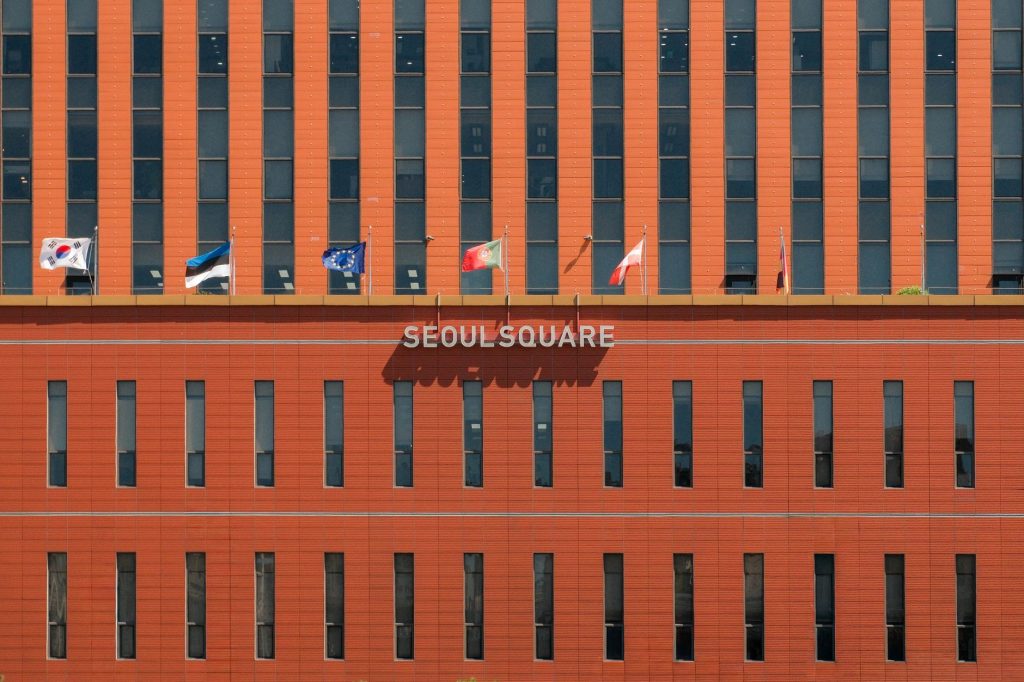
Korean stocks struggle in the current economic landscape, facing challenges as the once-hot AI trade cools down and buyers become scarce.
Overview of Korean Stocks
Korean stocks have faced significant challenges in recent months, as investors grapple with shifting market dynamics. Once favored for their rapid growth, particularly in sectors like artificial intelligence, these stocks now find themselves struggling for buyers. The overall sentiment in the market has dampened, leading to a decline in investor confidence.
Several factors have contributed to this downturn:
- Global Economic Uncertainty: Fluctuations in major economies have created a ripple effect, impacting Korean exports.
- Rising Interest Rates: Increased borrowing costs have made financing less attractive for companies, stifling growth.
- Regulatory Changes: New policies aimed at tech firms have raised concerns among investors.
As the market continues to evolve, analysts remain cautious about the future of Korean stocks, emphasizing the need for strategic adjustments to navigate these turbulent waters.
Impact of AI Trade on Market
The impact of artificial intelligence (AI) on the Korean stock market has become increasingly evident, as investors respond to shifting trends. Once viewed as a catalyst for growth, the AI trade is now leaving Korean stocks struggling for buyers. Market analysts note that the initial excitement surrounding AI technology has diminished, leading to a reevaluation of investment strategies.
Factors contributing to this downturn include:
- Decreased investor confidence: As the hype fades, many are reconsidering their positions.
- Profit-taking: Investors are cashing in on previous gains, causing stock prices to drop.
- Global economic concerns: Broader market instability is impacting local stock performance.
As a result, the once-promising AI trade now poses challenges for Korean stocks, emphasizing the need for a strategic approach to navigate these turbulent waters.
Current Buyer Sentiment
Current buyer sentiment in the South Korean stock market has shifted dramatically as investors grapple with the aftermath of a once-thriving AI trade. The initial enthusiasm surrounding tech stocks, particularly those associated with artificial intelligence, has waned, leaving many investors cautious and hesitant.
Analysts suggest several factors contribute to the current struggle:
- Market Volatility: Fluctuations in global markets have led to uncertainty, causing potential buyers to hold back.
- Profit-Taking: Many investors are cashing in on previous gains, further dampening demand for new purchases.
- Economic Concerns: Inflation and interest rate hikes have made investors wary of entering the market.
As Korean stocks struggle to attract buyers, the outlook remains uncertain, with many waiting for clearer signs of recovery.
Factors Behind Struggling Stocks
The recent difficulties faced by Korean stocks can be attributed to several key factors. Firstly, the global economic slowdown has dampened investor confidence, leading to reduced trading volumes. As a result, many traders are hesitant to engage with the market, further exacerbating the struggle.
Additionally, shifts in government policies regarding technological investments have created uncertainty. With less support for innovation, companies that once thrived are now experiencing declining valuations.
Moreover, the rise of competing markets has drawn attention away from Korean equities. Investors are increasingly exploring opportunities in other regions, leaving Korean stocks to contend with a shrinking pool of buyers.
Lastly, persistent concerns around geopolitical tensions in the region continue to weigh heavily on market sentiment, contributing to the overall struggle of Korean stocks in the current financial landscape.
Future Outlook for Investors
As the dust settles on the once-thriving AI trade, the future outlook for investors in Korean stocks appears uncertain. Market analysts are urging caution, highlighting that the ongoing struggle for buyers is likely to persist in the short term.
Several factors contribute to this challenging landscape:
- Global Economic Conditions: Rising inflation and interest rates may deter investor confidence.
- Technological Shifts: The rapid evolution in technology demands agility, which some Korean companies are struggling to adapt to.
- Regulatory Changes: New policies could impact market dynamics, further complicating the investment environment.
Investors are advised to stay informed and consider diversifying their portfolios. The current climate indicates that Korean stocks may continue to struggle, making it essential to assess risks carefully.
Comparative Analysis with Other Markets
The current landscape of Korean stocks struggle contrasts sharply with other global markets. Recent data reveals a significant divergence in performance, particularly when compared to the U.S. and European stock exchanges, which have shown resilience despite economic headwinds.
Investors are increasingly favoring markets that demonstrate robust growth potential and stability. In the U.S., tech stocks continue to thrive, buoyed by advancements in AI and a strong consumer base. Meanwhile, European markets benefit from favorable regulations and a diversified economic portfolio.
Several factors contribute to the challenges faced by Korean stocks:
- Heightened geopolitical tensions in the region.
- Sluggish domestic consumption impacting earnings.
- Increased competition from neighboring countries like China.
This comparative analysis underscores a pressing need for Korean markets to adapt and seek new growth strategies to regain investor confidence.
Korean stocks struggle as investors react to rising interest rates and geopolitical tensions in the region. Analysts predict that the ongoing challenges will keep Korean stocks struggle in the near term.
Photo by Henry Acevedo on Pexels
 TCS Infosys Wipro shares: Best proven strategies for investors
  TCS shares up: Proven reasons for today’s 2% rise
  Korean stocks struggle: The Worst Market Trends Revealed
  Crypto ETFs Outflows: Worst Weekly Trends Revealed
  TCS Q2 report: Is it the best performance in years?
  Bitcoin price analysis: Worst trends to watch now