

Nuclear Power Companies India: Proven Strategies for Growth
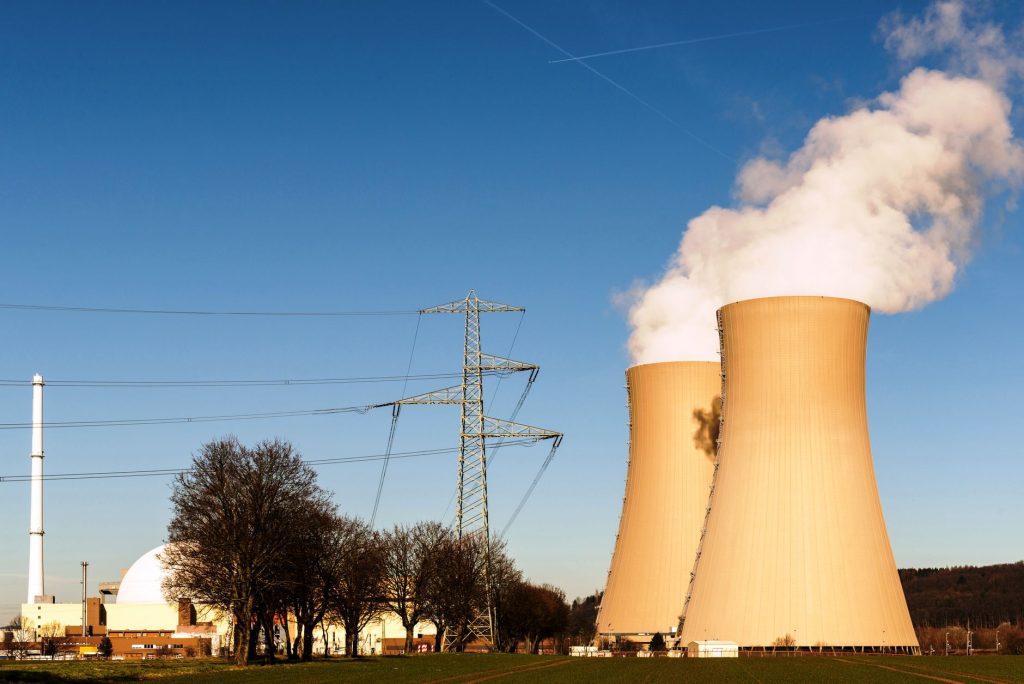
nuclear power companies India are at the forefront of a significant Rs 20-lakh-crore push to enhance the country’s energy landscape. This initiative is critical for meeting future energy demands and promoting sustainable practices.
Overview of India’s Nuclear Power Initiative
India’s ambitious nuclear power initiative aims to significantly increase the country’s energy capacity while promoting sustainable development. With the government setting a target of achieving 22,480 megawatts of nuclear power by 2031, a number of nuclear power companies in India are stepping up to contribute to this vision.
The initiative not only focuses on expanding existing plants but also emphasizes the development of new technologies and safety measures. Key players in this sector are:
- NPCIL – The primary operator of nuclear power plants in India.
- BHAVINI – Specializes in fast breeder reactors.
- Atomstroyexport – A crucial partner in building new reactors.
These companies are implementing proven strategies that prioritize innovation, safety, and environmental sustainability, ensuring that India remains at the forefront of nuclear energy development.
The Role of Specialist Companies
Nuclear power companies in India are essential to the country’s ambitious energy goals. They play a crucial role in advancing technology, ensuring safety, and optimizing operations within the nuclear sector. Several specialist companies have emerged, driving innovation and efficiency in nuclear energy production.
Among these companies are:
- Company A: Focuses on reactor design and development, providing cutting-edge technology tailored for India’s unique needs.
- Company B: Specializes in nuclear safety systems, ensuring that all operations adhere to international safety standards.
- Company C: Engages in comprehensive training and consultation, fostering a skilled workforce for the nuclear industry.
These firms exemplify the collaborative spirit necessary for the sustainable growth of nuclear power in India, contributing significantly to the country’s energy independence.
Key Players in the Nuclear Sector
India’s nuclear power landscape is shaped by several key players that significantly contribute to the nation’s energy goals. Notably, state-owned companies dominate the sector, with the Nuclear Power Corporation of India Limited (NPCIL) leading the way. This company is responsible for the design, construction, and operation of nuclear power plants across the country.
In addition to NPCIL, private firms are increasingly entering the nuclear power arena, bringing innovative solutions and technologies. Among these, Reliance Power and Tata Power have shown a keen interest in collaborating with the government to enhance India’s nuclear capabilities.
The collaboration between public and private sectors is essential for the growth of nuclear power companies in India, as it ensures the integration of advanced technologies and efficient project management in this vital energy domain.
Investment Trends in Energy
Investment trends in the energy sector highlight a significant shift towards nuclear power companies in India. As the government aims to enhance its energy security and reduce carbon emissions, substantial investments are being funneled into nuclear energy projects.
Recent reports indicate that over Rs 20-lakh-crore will be allocated to the nuclear power initiative, aiming to expand capacity and modernize existing infrastructure. This influx of capital not only strengthens the position of established players but also encourages new entrants in the market.
Key factors driving these investment trends include:
- Government Policy Support: Favorable regulations and incentives for nuclear energy development.
- Technological Advancements: Innovations that enhance safety and efficiency.
- Global Partnerships: Collaborations with international nuclear power companies to share expertise and resources.
These elements collectively position nuclear power companies in India for sustained growth in the coming years.
Sustainability and Nuclear Power
As the demand for sustainable energy sources grows, nuclear power companies in India are playing a pivotal role in addressing environmental concerns while ensuring energy security. These companies are increasingly adopting innovative technologies and operational strategies to enhance efficiency and minimize waste.
Some of the key sustainability initiatives include:
- Advanced Reactor Designs: Incorporating next-generation reactors that prioritize safety and reduce ecological footprints.
- Waste Management Solutions: Implementing effective strategies for the long-term management of nuclear waste.
- Community Engagement: Actively involving local communities in discussions about nuclear energy’s benefits and safety measures.
Through these strategies, nuclear power companies in India are not only meeting energy demands but also contributing to a greener future.
Future of Nuclear Energy in India
The future of nuclear energy in India looks promising, driven by a combination of government support and the expertise of nuclear power companies India. As the nation aims to increase its energy output, these companies are poised to play a critical role in the development and implementation of advanced nuclear technologies.
With ambitious plans for new reactors and a focus on safety and sustainability, the strategy involves:
- Investment in Research: Fostering innovation to improve existing technologies.
- International Collaboration: Partnering with global leaders in nuclear energy.
- Public Awareness: Educating citizens on the benefits and safety of nuclear power.
As these initiatives unfold, the collaboration between the government and nuclear power companies India will be vital to achieving energy security and environmental goals.
Challenges Facing the Industry
The nuclear power companies in India face several significant challenges that could impact their growth and efficiency. Regulatory hurdles often slow down project approvals and implementation timelines, making it difficult for companies to meet energy demands promptly.
Additionally, there is a skills gap in the workforce, as specialized training and expertise in nuclear technology are not widely available, hindering operational effectiveness.
Moreover, public perception of nuclear energy remains mixed, with safety concerns stemming from past incidents affecting community acceptance. This apprehension can lead to delays in project development and investment.
Finally, international collaboration is crucial but often complicated by geopolitical factors, which can restrict access to advanced technologies and expertise. Addressing these challenges is vital for nuclear power companies in India to achieve their growth objectives.
Government Policies Supporting Growth
The growth of nuclear power companies in India is significantly bolstered by supportive government policies aimed at enhancing energy security and promoting clean energy sources. These initiatives reflect a commitment to increasing the share of nuclear energy in the country’s overall energy mix.
Key policies include:
- Increased Investment: The Indian government is allocating substantial funds for research and development in nuclear technology, encouraging innovation among nuclear power companies.
- Public-Private Partnerships: Collaborations between government entities and private firms are being promoted to streamline project execution and share expertise.
- Regulatory Framework: A clear and robust regulatory environment is being established, making it easier for nuclear power companies to navigate approvals and compliance.
These strategies collectively aim to propel the growth of nuclear power, ensuring a sustainable and secure energy future for India.
Nuclear power companies India are increasingly focusing on innovative technologies to enhance efficiency and safety. By adopting proven strategies for growth, nuclear power companies India can significantly contribute to the country’s energy needs.
Photo by Wolfgang Weiser on Pexels
 Sensex Nifty outlook: The Worst Predictions for Samvat 2083
 Deepinder Goyal’s Temple Entropy: The Worst Scienceploitation
 Hero Motors shares: What’s the Proven Growth Behind 66% Surge?
 2026 TVS Radeon launch: The Best Proven Features Revealed
 EPFO error correction: Simple steps to fix your PF details
 Nuclear Power Companies India: Proven Strategies for Growth
 Argenx Immunology Strategy: Best Proven Acquisition for Growth?
 DUOL Q3 Earnings: Clear Insights on Revenue Growth