

Sensex Nifty Slide: Is This the Worst Market Trend?

The Sensex Nifty slide is raising alarms among investors as rising crude prices and US bond yields rattle markets. Financial stocks are leading the losses, creating a tense atmosphere for traders.
Market Overview: Sensex and Nifty Performance
The recent performance of the Indian stock market has raised concerns among investors as both the Sensex and Nifty slide over 0.8%. This downturn has been attributed to a combination of rising crude oil prices and an increase in US bond yields, which have contributed to an overall sense of unease in the markets.
Financial stocks have particularly felt the impact, leading losses across the indices. Analysts note that this market trend may signal deeper issues within the economy, with investors wary of potential inflationary pressures.
- Rising Crude Prices: Higher oil prices can lead to increased costs for companies, affecting profitability.
- US Bond Yields: An increase in yields often drives investors to safer assets, pulling funds away from equities.
- Sector Performance: Financials, energy, and consumer goods have shown significant declines.
As the Sensex Nifty slide continues, market participants are closely monitoring these economic indicators for signs of recovery.
Impact of Rising Crude Prices
The recent slide in the Sensex and Nifty, which dropped over 0.8%, has raised concerns among investors, particularly due to the impact of rising crude prices. As global oil prices continue to surge, analysts predict that this trend could exacerbate inflationary pressures, leading to increased costs for businesses and consumers alike.
Several factors contribute to this volatility:
- Higher Transportation Costs: Rising crude prices often lead to increased transportation expenses, affecting various sectors.
- Increased Production Costs: Industries relying on oil as a primary resource may face higher production costs, squeezing profit margins.
- Investor Sentiment: The uncertainty surrounding crude prices can lead to negative investor sentiment, contributing to the Sensex Nifty slide.
As the market grapples with these challenges, stakeholders are closely monitoring developments to assess the potential long-term implications on economic stability.
US Bond Yields: What You Need to Know
The recent rise in US bond yields has added to the pressure on global markets, contributing to the ongoing Sensex Nifty slide. Investors are closely monitoring these yields, as they can significantly influence borrowing costs and, consequently, corporate profits.
Currently, the yield on the benchmark 10-year Treasury note has risen, prompting concerns among market participants. Here are a few key points to consider:
- Interest Rates: Higher bond yields often lead to increased interest rates, which can slow down economic growth.
- Investment Shifts: Rising yields may divert funds from equities to fixed-income securities, impacting stock market performance.
- Market Sentiment: A sustained increase in bond yields can prompt fear among investors, leading to further declines in indices like the Sensex and Nifty.
As the market grapples with these challenges, analysts are urging caution and closer scrutiny of bond market trends.
Financial Stocks Leading the Downturn
The recent Sensex Nifty slide has been significantly influenced by the performance of financial stocks. As investors react to the turbulence in global markets, particularly due to rising crude prices and increasing US bond yields, financial sectors have taken a notable hit.
Key factors contributing to this downturn include:
- Increased borrowing costs: Higher bond yields typically lead to elevated interest rates, which can dampen loan demand and pressurize banks’ profit margins.
- Investor sentiment: Concerns over economic stability have caused a sell-off in financial stocks, leading to increased volatility in the market.
- Regulatory pressures: Ongoing changes in regulations can create uncertainty, further discouraging investment in financial institutions.
As the markets continue to respond to these challenges, analysts warn that the financial sector could remain under pressure, exacerbating the overall Sensex Nifty slide.
Investor Reactions to Market Changes
As the Sensex and Nifty slide, investor sentiment has turned increasingly cautious. Many market participants express concern over the ongoing volatility, driven by external factors such as rising crude prices and fluctuating US bond yields. Investors are reevaluating their portfolios in light of these developments, with some opting to take profits and others looking for potential buying opportunities.
In a recent survey, approximately 60% of respondents indicated that they believe the current market trend could worsen before it stabilizes. This apprehension is palpable in trading rooms, where discussions about risk management strategies are becoming more common.
Some investors are advocating for a long-term perspective, suggesting that temporary slides in indices like the Sensex and Nifty should not deter growth-focused strategies. However, the fear of further declines remains a significant concern for many, as they navigate through this challenging market landscape.
Future Predictions for Sensex and Nifty
As investors brace for potential volatility, future predictions for the Sensex and Nifty suggest a cautious outlook. Analysts forecast that the ongoing Sensex Nifty slide may continue, influenced by several key factors:
- Global Economic Trends: The interconnectedness of global markets means that international economic developments can significantly impact Indian indices.
- Domestic Policy Changes: Any shifts in fiscal policy or regulations could either bolster or hinder market recovery.
- Corporate Earnings Reports: Upcoming quarterly results will be crucial in shaping investor sentiment and expectations.
- Geopolitical Dynamics: Unforeseen geopolitical events may add layers of uncertainty, further affecting market stability.
While some experts anticipate a rebound, others urge caution, emphasizing that market conditions remain sensitive to external shocks. Investors are advised to stay informed and assess their portfolios carefully in this unpredictable environment.
Strategies for Navigating Market Volatility
As the Sensex Nifty slide continues to unsettle investors, adapting strategies to navigate market volatility has become essential. One approach is to diversify portfolios across various sectors to mitigate risks posed by downturns in specific areas, like financial stocks. Investors should also consider allocating a portion of their funds to defensive stocks that tend to perform better during market declines.
Additionally, maintaining a long-term perspective can help weather short-term fluctuations. Regularly reviewing financial goals and investment horizons can provide clarity and reduce impulsive decisions during turbulent times. Employing dollar-cost averaging can also be beneficial, allowing investors to purchase shares at various price points, thereby reducing exposure to market timing risks.
Finally, staying informed about macroeconomic factors, such as crude oil prices and interest rates, can empower investors to make more educated decisions as they navigate through this challenging financial landscape.
The recent Sensex Nifty slide has raised concerns among investors about the stability of the market. Analysts are debating whether this Sensex Nifty slide is a temporary setback or indicative of a deeper economic issue.
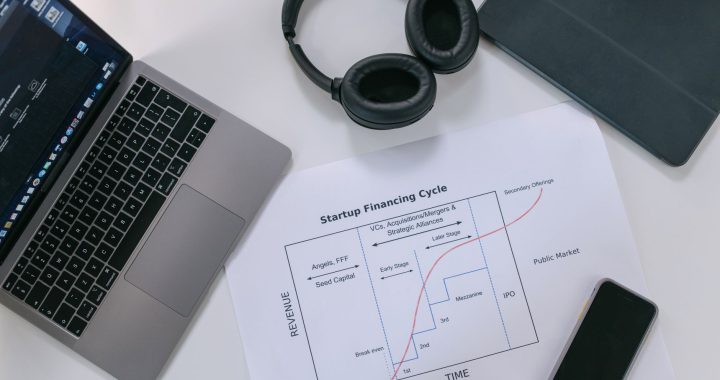
Photo by Vika Glitter on Pexels
Sources
Related stories
Vivekanand Cotspin IPO: Best Details on Date and Price · Trade Setup September 24: Best Tips for a Smart Market Move · Insurance Distribution Overhaul: Clear Changes to Commissions
 Sensex falls today: Worst market drop with proven factors
  Asian stocks dive: The Worst Market Reaction to Earnings
  Nifty 50 Market Rise: Clear Gains with Sensex Surge
  TCS Quarterly Bonuses: The Worst Denial Explained
  Korean stocks struggle: The Worst Market Trends Revealed
  TCS Infosys Wipro shares: Best proven strategies for investors
  Jio IPO news: A Smart Testament to Leadership Evolution
  Tata Trusts dispute: Wrong move by Mehli Mistry raises questions
  Marsh earnings report shows clear positive growth
  Tonbo Imaging IPO Shows Clear Listing Gain Potential